Vintage Postcard Floral Junk Journal Art: A Designer's Resource
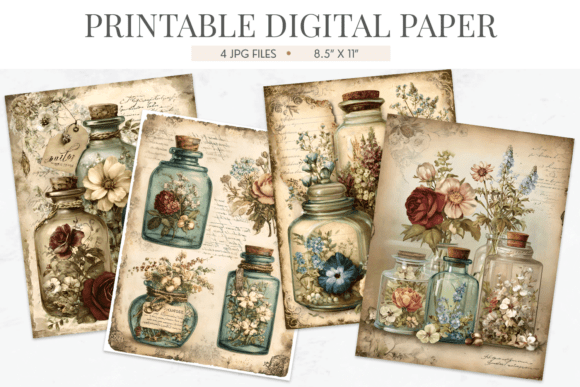
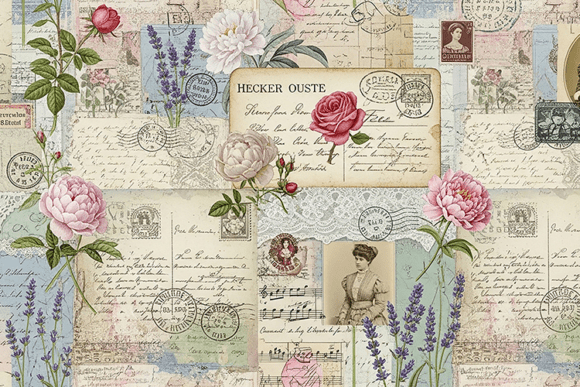
Imagine a design element that instantly evokes nostalgia, elegance, and a handcrafted feel. That is the power of Vintage Postcard Floral Junk Journal Art, a collage of antique postcards, Victorian portraits, and botanical illustrations that serves as a versatile creative asset. This design style merges historical charm with modern digital utility, offering a rich visual texture for a wide array of projects.
Understanding Its Role in Modern Design
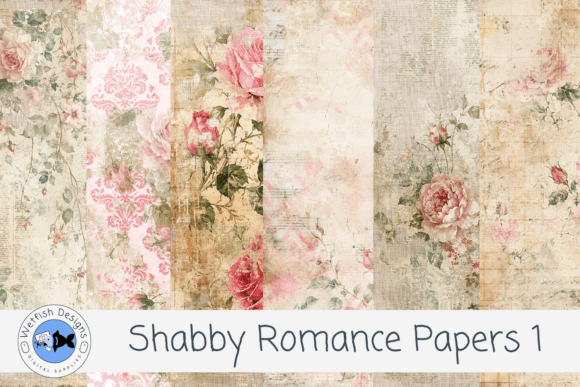
In an era of sleek, minimalist digital interfaces, this aesthetic provides a compelling counterpoint. It taps into the enduring appeal of tactile, personal artifacts. For graphic designers, it is more than just a pretty picture; it is a tool for storytelling. The weathered postal stamps, script handwriting, and faded florals of lavender and peonies create an immediate emotional connection. This makes it exceptionally effective for projects where building a specific brand identity or narrative is crucial. It communicates authenticity, romance, and a sense of history, which can strengthen brand recognition and user engagement.
Practical Applications for Creative Professionals
The high-resolution, print-ready nature of such an asset makes it suitable for both digital and physical applications. Its shabby chic design integrates seamlessly into various creative workflows.
- Branding & Logo Design: Use textures or isolated elements as backgrounds or accents for logos in industries like boutique retail, artisan goods, wedding services, or heritage brands.
- Marketing Materials: Create eye-catching brochures, flyers, and email headers that stand out with a textured, organic feel, improving visual hierarchy.
- Social Media & Web Design: Develop cohesive Instagram grids, Pinterest pins, or website hero sections that evoke a specific mood. It can also inform a unique color palette for UI elements.
- Packaging & Merchandise: Apply the design to product labels, shopping bags, or stationery sets. The elegant shabby chic style is perfect for gift wrap, tags, and editorial layouts in lookbooks.
- Digital Products & Presentations: Enhance e-book covers, online course materials, or slide decks with a visually rich background that captures attention and adds professional polish.
Effective Integration into Your Design Workflow
To leverage this asset effectively, consider these design principles. First, ensure consistency with your project's overall aesthetic. This style works best when it complements your core brand message. Use it to support, not overwhelm, your primary content. Pay attention to visual hierarchy; the intricate details can serve as a background texture, allowing typography and key messages to remain clear and readable. When selecting colors from the asset for your typography or UI, choose hues that maintain legibility and contrast.
Scalability is another key factor. A high-quality, large-format file like the one described ensures you can adapt it for various print sizes or detailed digital zooms without losing integrity. Think about composition—layering these elements with clean fonts or modern geometric shapes can create a dynamic tension that feels both contemporary and timeless.
Elevating Projects with Thoughtful Assets
Choosing the right creative assets is fundamental to professional presentation and efficient design workflow. A resource like this vintage collage offers more than decoration; it provides a foundation for building immersive visual experiences. By thoughtfully applying such textured, narrative-rich elements, designers and creators can significantly enhance the aesthetic quality and communicative power of their work, ensuring their projects resonate deeply with their intended audience.