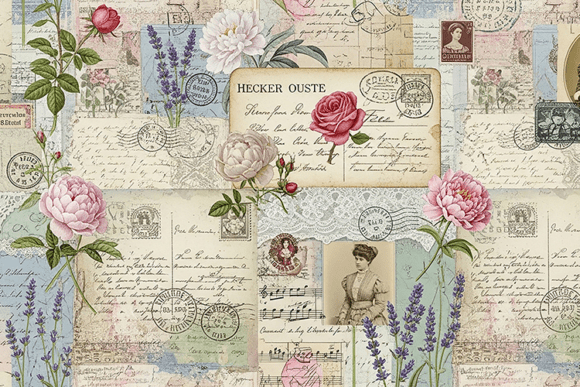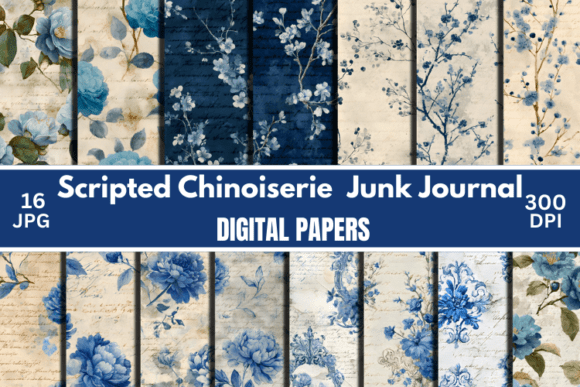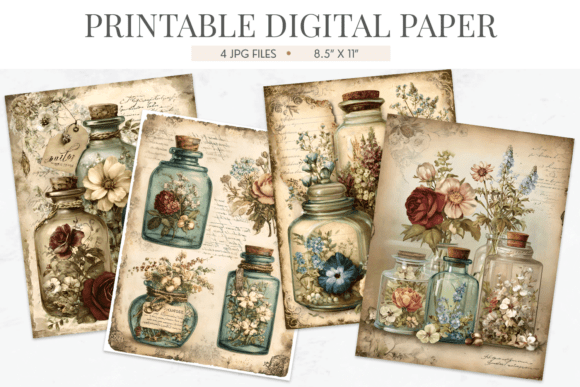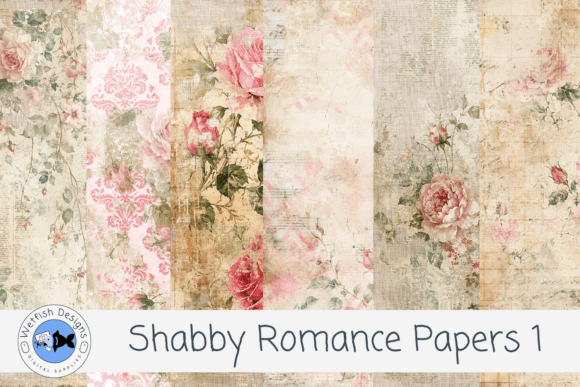
Old Newspaper Vintage Retro Junk Journal Design Assets
Instantly evoke a sense of history and authenticity with an Old Newspaper Vintage Retro Junk Journal aesthetic, a powerful trend in visual design that blends nostalgic typography with aged textures. This style, characterized by distressed columns, yellowed newsprint, and classic typewriter fonts, offers designers a unique toolkit for creating projects that feel both timeless and deeply personal. It’s not just about looking old; it’s about leveraging the visual language of the past to create compelling, modern narratives.
The Visual Power of Aged Textures in Modern Design
In a digital world saturated with sleek, minimalist interfaces, the tactile, imperfect quality of vintage newspaper design provides a compelling contrast. This aesthetic immediately communicates authenticity, storytelling, and a handcrafted sensibility. The monochrome palette, often accented with sepia tones or subtle ink bleeds, creates a strong foundation for visual hierarchy, allowing headlines and key messages to stand out with editorial authority. For branding, this style can differentiate a business by suggesting heritage, craftsmanship, and a narrative worth exploring.
Practical Applications for Creative Professionals
The versatility of a vintage newsprint bundle makes it an invaluable asset across numerous design disciplines. Its application extends far beyond simple background images, influencing entire brand systems and marketing campaigns.
- Branding & Logo Design: Use the textured paper as a base for logo presentations or as a pattern within brand identity systems, ideal for cafes, bookstores, artisanal products, or literary journals seeking a classic, trustworthy feel.
- Marketing & Social Media: Create scroll-stopping social media graphics, Facebook covers, or Instagram story backgrounds. The distressed texture adds depth and visual interest, making promotional content more engaging and shareable.
- Editorial & Web Design: Employ these textures in web design for blog headers, about page backgrounds, or UI elements in news-style layouts. They enhance readability by providing a comfortable, low-glare surface for body text.
- Packaging & Merchandise: Design standout packaging for products like coffee, tea, or vintage-style apparel. The texture translates beautifully to physical items, adding perceived value and a rustic charm to labels, tags, and wrapping paper.
- Presentations & Print Design: Elevate presentations with unique slide backgrounds that avoid generic corporate templates. For print, the high-resolution files are perfect for creating greeting cards, wedding stationery, or scrapbook elements with a authentic, handmade look.
Integrating Vintage Elements with Modern Aesthetics
The key to using Old Newspaper Vintage Retro Junk Journal assets effectively is balance. Avoid overwhelming a design with too much texture. Instead, use it as a strategic element to complement clean typography and modern layouts. Pair the aged newsprint with a bold, contemporary sans-serif font to create a striking visual contrast that feels fresh. Use the sepia or faded print as a background layer, then overlay crisp, high-contrast graphics or photography. This approach maintains visual clarity while injecting personality and historical context.
Selecting and Evaluating Design Assets
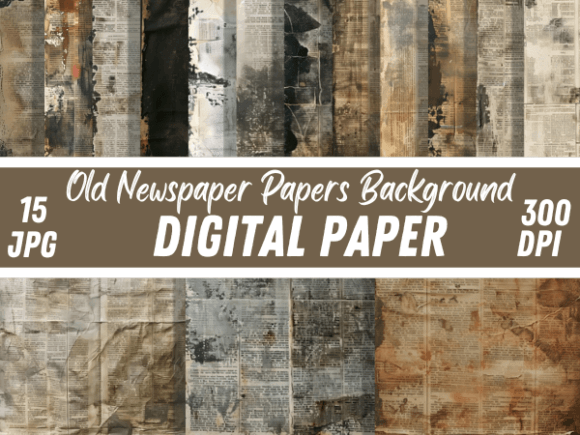
When choosing a digital paper bundle, consider its technical specifications and creative potential. A high-resolution, 300 DPI file ensures crisp output for both digital and print projects. The JPG format offers wide compatibility, but check if the textures are provided without seams if you need to tile them. Evaluate the variety within the bundle—look for a mix of headline layouts, text columns, and abstract grunge textures to maximize your creative flexibility. Always preview assets at 100% zoom to assess detail quality and ensure the color tones align with your project’s palette.
Ultimately, incorporating a thoughtfully curated vintage newspaper aesthetic is a powerful way to enhance storytelling and connect with audiences on an emotional level. By selecting high-quality, versatile assets and applying them with a modern designer’s eye, you can create visuals that are not only beautiful but also rich with narrative depth and professional polish. This intentional approach to design elevates communication, transforming ordinary projects into memorable experiences.